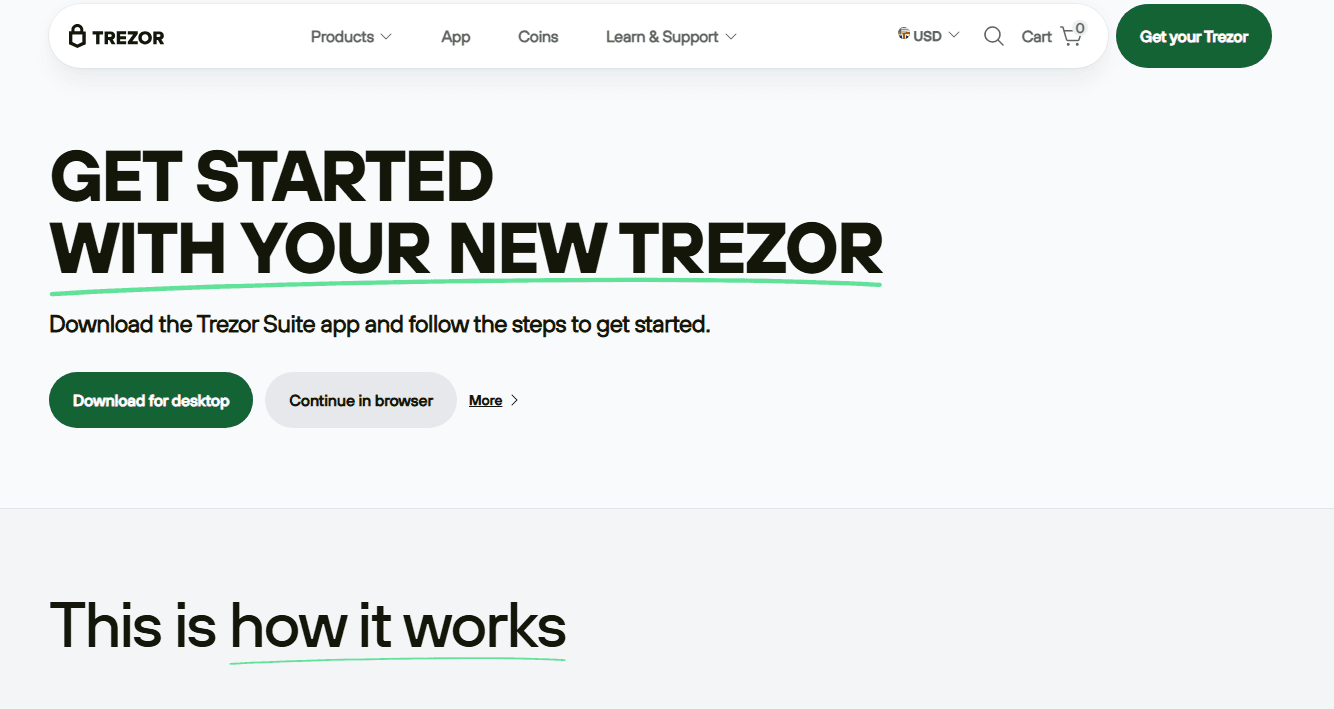
Trezor Login: A Detailed 1200-Word Guide to Secure Access and Crypto Management
Accessing your Trezor device—often referred to as the Trezor login process—is a key part of securely managing your digital assets. While many online platforms use traditional passwords or usernames, Trezor takes a very different and far more secure approach. Instead of relying on web-based credentials, Trezor uses a combination of hardware verification, PIN authentication, and optional recovery features to ensure full user control and maximum protection against cyber threats.
This guide explains everything about the Trezor login experience: how it works, why it matters, what steps are involved, common issues, and best practices to keep your wallet safe.
1. Understanding the Trezor Login Concept
Trezor is a hardware wallet, and because of that, you never “log in” the same way you would with a website. Instead, the process revolves around connecting your device, verifying your identity through a PIN, and authorizing access through your physical hardware.
Here is what makes the Trezor login mechanism unique:
Device-Based Authentication
You must connect your Trezor device to a computer or mobile interface. Without the physical device, no one can access your wallet—even if they have your PIN.
PIN Protection
A PIN acts as your first line of authentication. When combined with the randomized keypad displayed on your computer screen, it minimizes the risk of key-logging and remote attacks.
Local Verification
All sensitive actions are confirmed directly on the device. Your private keys never leave the Trezor hardware, providing full offline security.
Trezor’s login procedure is built to ensure that ownership equals physical possession, making it extremely difficult for unauthorized users to gain access.
2. Preparing Your Device for Login
Before attempting to access your wallet, make sure your Trezor device is set up properly:
A. Functional USB Cable or Adapter
Ensure that your connection cable is working well. Faulty cables may interrupt communication between your device and the interface.
B. Usage of Official Software Interface
To access your wallet, you will typically open the Trezor interface on your computer. The interface acts as a bridge between your device and your crypto accounts.
C. Compatible Browser or System
Always use updated systems to maintain compatibility and security support.
D. Memory of Your PIN
Your PIN is required every time you plug in your Trezor. Without it, login is not possible.
E. Recovery Seed Stored Safely
Although you won’t need the seed to log in, having it stored securely ensures you can recover your wallet if you forget your PIN or lose the device.
3. Step-by-Step Trezor Login Process
Here is a complete walkthrough of the login process from start to finish:
1. Connect Your Trezor Device
Use the USB connector to plug your Trezor into your computer. Once connected, the Trezor screen will turn on.
2. Open the Interface
Launch the Trezor interface on your computer. This is where you interact with your accounts, crypto portfolios, keys, and device settings.
3. Verify the Connection
Your device will display a prompt confirming the connection. You may also be asked to confirm that the host device can communicate with your Trezor.
4. Enter Your PIN
The interface will display a blank keypad grid. On your Trezor screen, numbers appear in randomized order. You must match the positions from the device to the empty grid on your computer.
This PIN system protects against spyware and prevents attackers from capturing your PIN through keystroke monitoring.
5. Access Your Dashboard
Once the correct PIN is entered, your account dashboard becomes available. Here, you can:
View your balances
Send or receive crypto
Manage security settings
Update firmware
Access different accounts tied to your device
Review transaction history
Manage connected apps and coins
6. Confirm Sensitive Actions Directly on the Device
Any time you send funds, update settings, or access protected areas, Trezor requires physical confirmation on the device screen. This prevents remote attackers from manipulating your actions.
4. Why the Trezor Login Method Is So Secure
The login structure is intentionally designed this way because Trezor prioritizes user autonomy and safety above convenience. The following points highlight the security advantages:
Offline Private Keys
Your private keys never appear on the computer screen. Since they stay on the device, hackers cannot extract them.
Random PIN Keypad
The PIN layout changes every time you log in. Even if someone records your keystrokes, they cannot deduce the real numbers.
Physical Confirmation
Transactions cannot be executed without tapping the buttons on your hardware. Remote attacks become virtually impossible.
Recovery Seed Protection
Even if your device is lost, damaged, or destroyed, your crypto remains recoverable through your seed phrase.
Decentralized Identity Verification
No centralized login servers exist, meaning no massive data breach can expose your credentials.
Because of these elements, the Trezor login experience remains one of the most secure methods in the digital asset world.
5. Troubleshooting Common Login Problems
Occasionally, users may experience issues while attempting to log in. Here are common challenges and solutions:
1. Device Not Recognized
This might occur due to:
A faulty cable
USB port issues
Outdated browser or system
Missing communication drivers
Try switching ports, using a different cable, or restarting your device.
2. Incorrect PIN Attempts
If you enter the wrong PIN, the waiting period increases exponentially. This protects the device from brute-force attacks.
Be patient and double-check the keypad mapping before entering again.
3. Blank Interface Screen
If the interface is not loading, refreshing the page or restarting your browser may help. Also ensure that your device is fully connected.
4. Firmware Version Conflicts
Older firmware may cause login issues. Updating your firmware through the device can often resolve compatibility problems.
5. Touch or Button Errors
If your device buttons aren’t responding, cleaning the hardware or reconnecting it may solve the issue.
6. Best Practices to Stay Safe When Logging Into Trezor
To maintain long-term security, follow these protective habits:
Never Share Your Recovery Seed
It is the most sensitive part of your wallet. No support agent or platform will ever ask for it.
Keep Your Trezor Device Offline When Not in Use
Unless you’re performing transactions or updates, disconnect the device and store it securely.
Update Firmware Regularly
Updates include important security enhancements.
Use a Strong PIN
Avoid easy combinations and ensure your PIN is difficult to guess.
Protect Your Computer
Even though your keys are offline, securing your computer reduces the risk of phishing or malware attacks targeting the interface.
Avoid Third-Party Software
Always interact with your device through legitimate and trusted tools.
Check Screen Confirmations Carefully
Always read transaction and address details on your Trezor screen before approving anything.
7. The Importance of Good Security Habits
While Trezor’s login process is designed for high security, your personal behavior plays an important role too. Keeping your device secure, managing your recovery seed properly, and staying aware of digital threats are essential parts of using any hardware wallet.
A hardware wallet is one of the safest tools available, but the human element remains crucial. If you protect your device, remember your PIN, and avoid risky online behavior, the login process will always work exactly as intended—simple, secure, and fully under your control.